
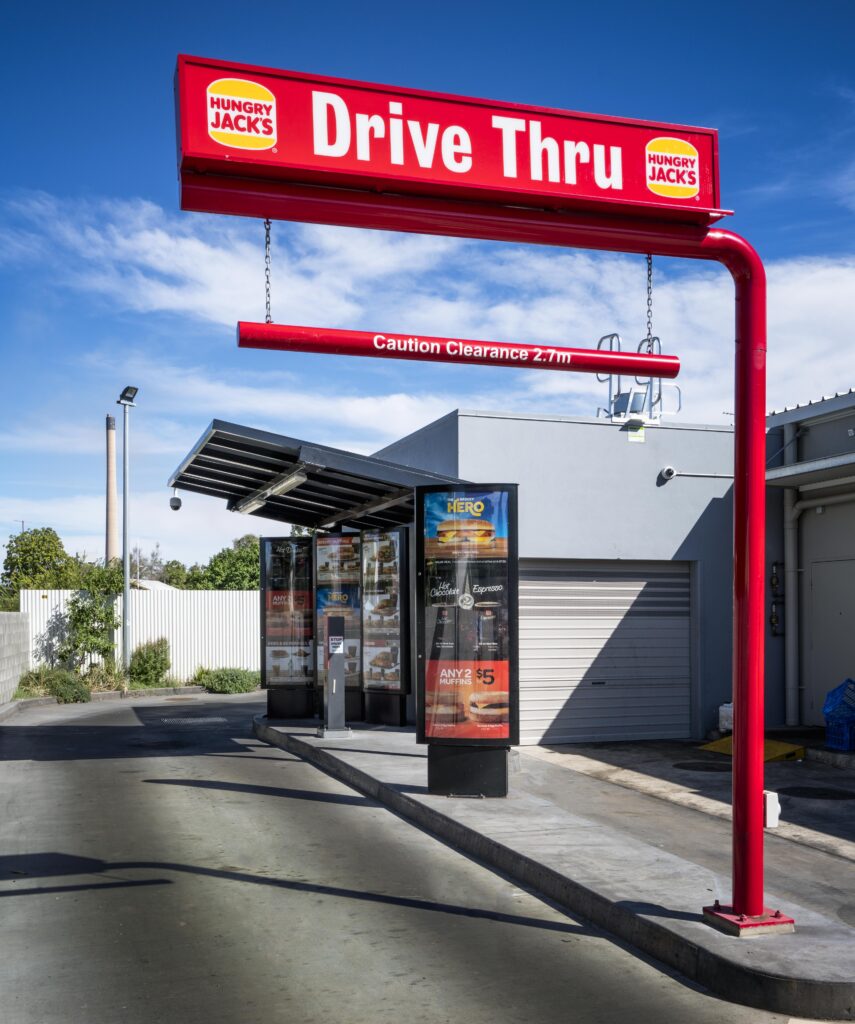
In the world of commercial real estate, few asset classes offer the unique blend of stability, brand power and adaptability quite like fast food properties. Whether it’s a drive-thru on a busy suburban road or a freestanding outlet in a regional town, fast food real estate continues to attract investors seeking steady returns and low-risk exposure. Here’s why fast food investment deserves a post in your commercial real estate portfolio.
Lease longevity
One of the most attractive features of fast food real estate is the long-term lease structure. Many fast food tenants sign 10 to 20-year leases, often with multiple renewal options. These leases are frequently structured as triple net (NNN) leases, meaning the tenant is responsible for property taxes, insurances and maintenance, and therefore significantly reducing the landlord’s operational costs. The lease longevity of fast food investments means predictable cash flow over extended periods, lower vacancy risk and passive income potential – ideal for investors seeking stability and fewer turnover costs.
Brand strength
Fast food tenants are often household names – think McDonald’s, Hungry Jacks, Subway and 7Eleven. Brands like these bring more than just familiarity – they bring customer loyalty, marketing power and operational consistency. Strong brand tenants typically drive consistent food traffic, even in outer suburban areas and regional towns or cities. Fast food investment properties are also more likely to maintain high sales volumes which supports rental affordability and invest in their locations to ensure properties are well-maintained. From an investment perspective, a well-known brand tenant enhances the perceived value of the property, making it easier for the landlord to sell or refinance in the future.
Resilience in changing markets
Fast food real estate has proven to be remarkably resilient during economic downturns, pandemics and shifts in consumer behaviour. Unlike some other types of commercial real estate, fast food outlets are known for their ability to not only adapt but to thrive in the fact of changing markets and emerging technologies – for example, through drive-thru service, delivery apps and streamlined menus. This has helped them maintain profitability even when other retail sectors struggle. The key resilience factors of fast food outlets include their affordable price points, operational efficiency and perception as an essential service, especially in suburban and regional areas. This resilience makes fast food real estate a defensive asset class, offering protection against market volatility and economic uncertainty.
Fast food investment opportunities in Queensland
Fast food investment is more than just a trend – it’s a proven strategy. At Kelly & Co Property, we specialise in identifying secure opportunities in resilient markets, and optimising asset performance to safeguard the capital of investors over the long term.
Our commercial real estate offerings include several fast food outlets across Queensland, including:
- 109–117 McGregor Road, Smithfield QLD 4878 – Brand new fast food and fuel convenience centre
- 3 – 5 Queen Elizabeth Drive, Berserker QLD 4701 – Subway drive-thru investment
- Lot 1/109–117 McGregor Road, Smithfield QLD 4878 – Brand new 7-Eleven
Some of our recently sold fast food outlets include Hungry Jack’s in Mt Isa, McDonald’s and 7-Eleven in Westbrook and Red Rooster in Rockhampton.
To learn more about these and other retail investment opportunities, contact us today.